




What's The Job Market For Power Miter Saw Professionals?
페이지 정보
작성자 Lila 댓글 0건 조회 2회 작성일 26-01-13 06:01필드값 출력
본문
The Ultimate Guide to Power Miter Saws: Understanding Benefits, Features, and Usage
Power miter saws are vital tools in both Professional Mitre Saw and DIY woodworking circumstances. Whether you're developing cabinets, framing homes, or engaging in more intricate jobs, a reputable miter Cheap Mitre Saw can change your workflow, improve precision, and conserve time. This guide checks out the details surrounding power miter Mitre Saws, from their parts and types to their applications and upkeep.
What is a Power Miter Saw?
A power miter saw is a versatile cutting tool that permits users to make accurate crosscuts and miter cuts in wood, plastic, and other materials. It consists of a circular blade installed on a swing arm that rotates at an angle, supplying the ability to cut products at different angles, making it ideal for creating joint fits and moldings.
Secret Components of a Power Miter Saw
| Element | Description |
|---|---|
| Blade | The circular cutting tool that slices through products. Typical sizes vary from 8" to 12". |
| Base Plate | The flat part of the saw that supports the product being cut. |
| Fence | A guide that assists to stabilize the workpiece and make sure accuracy throughout cuts. |
| Pivot Arm | The movable arm that enables the user to angle the blade for bevel and miter cuts. |
| Trigger | The switch that powers the blade. |
| Security Features | Consist of blade guards, security switches, and other systems created to prevent mishaps. |
Types of Power Miter Saws
Standard Miter Saw
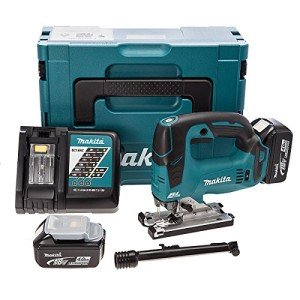
- Fundamental model for uncomplicated crosscuts.
- Limited to making only miter cuts and crosscuts without bevel capabilities.
Compound Miter Saw
- Includes the ability to tilt the blade to make bevel cuts.
- Ideal for projects that require both miter and bevel cuts, such as crown molding.
Double Compound Miter Saw
- Can tilt in both instructions, providing extra adaptability.
- Perfect for more substantial projects that require intricate angles.
Sliding Miter Saw
- Features a sliding system that enables the blade to move back and forth.
- Enables cutting wider products while preserving precision.
Advantages of Using a Power Miter Saw
- Precision Mitre Saw: Offers accurate cuts with minimal effort, especially useful for elaborate joints.
- Adaptability: Capable of altering cuts-- crosscuts, bevels, and compound cuts.
- Speed: Cuts substantially decrease task time compared to manual tools.
- Reduce of Use: Designed for ease of operation, appropriate for both newbies and experts.
- Safety Features: Equipped with guards and switches that improve user safety.
How to Use a Power Miter Saw Effectively
Preparation
- Check out the Manual: Familiarize yourself with the particular saw design.
- Set Up Your Workspace: Ensure a clean, well-lit environment with ample space.
- Select the Right Blade: Choose a blade suitable for the product being cut.
Steps for Cutting
- Adjust the Miter Angle: Set your wanted angle on the miter scale.
- Line up the Material: Position the workpiece versus the fence and protect it in place if needed.
- Check the Blade: Ensure the blade is sharp and correctly set up.
- Use Safety Gear: Use eye protection and hearing defense if necessary.
- Power On: Activate the saw and enable the blade to reach complete speed.
- Cut Slowly and Steadily: Press down gently but strongly on the blade while keeping control.
Upkeep Tips
- Regularly tidy the blade to avoid resin accumulation.
- Examine the positioning of the saw frequently.
- Oil moving parts frequently for optimum efficiency.
- Examine safety features to ensure they function effectively.
Typical Applications for Power Miter Saws
- Framing & & Trim Work: Ideal for making accurate cuts in framing materials and trim.
- Furniture Making: Perfect for lowering components for cabinets and furniture.
- Crown Molding: A must-have tool for accurately cutting crown molding pieces.
- Deck Building: Used for cutting boards at various angles for deck building.
Power Miter Saw Maintenance: An Overview
| Maintenance Task | Frequency | Tips |
|---|---|---|
| Blade Replacement | As required | Look for dullness or damage. |
| Cleaning | Monthly | Wipe down saw and remove debris. |
| Lubrication | Yearly | Apply oil to moving parts to keep them functional. |
| Security Check | Month-to-month | Test security features and adjust as necessary. |
Often Asked Questions (FAQ)
1. What size miter saw should I buy?
The saw size depends on your projects. An 8" model is great for smaller DIY jobs, while a 12" is better for larger and more frequent industrial work.
2. Can I utilize a miter saw for cutting metal?
Requirement blades are not suitable for metal. However, with the proper blade developed for metal cutting, a miter Small Mitre Saw can effectively cut through thin metal materials.

3. How do I keep the accuracy of my miter saw?
Routinely examine the positioning of the blade with the miter slot and fence. Change and recalibrate as needed.
4. What is the distinction between a compound miter saw and a sliding miter saw?
A compound miter saw can only make angled cuts by tilting the blade one method, while a sliding miter saw enables more comprehensive cuts by allowing the blade to relapse and forth.
5. Is it safe to utilize a power miter saw inside your home?
While more secure than some power tools, constantly make sure great ventilation and take essential safety preventative measures, such as utilizing a vacuum system to manage dust.
A power miter saw is an important tool for anyone involved in woodworking, from amateurs to experts. With the info offered in this guide, users can much better understand the features, types, and proper usage and upkeep approaches of a power miter saw. Whether starting property jobs or dealing with commercial tasks, investing time in learning more about these fantastic tools can considerably improve your craft and efficiency in woodworking tasks.